05 · Access & Industry
Early 2026 brought an oral GLP-1 option into a market long dominated by weekly injections, while manufacturers also
 1 min read
The next phase is less about whether people have heard of GLP-1s and more about how ordinary systems absorb them.
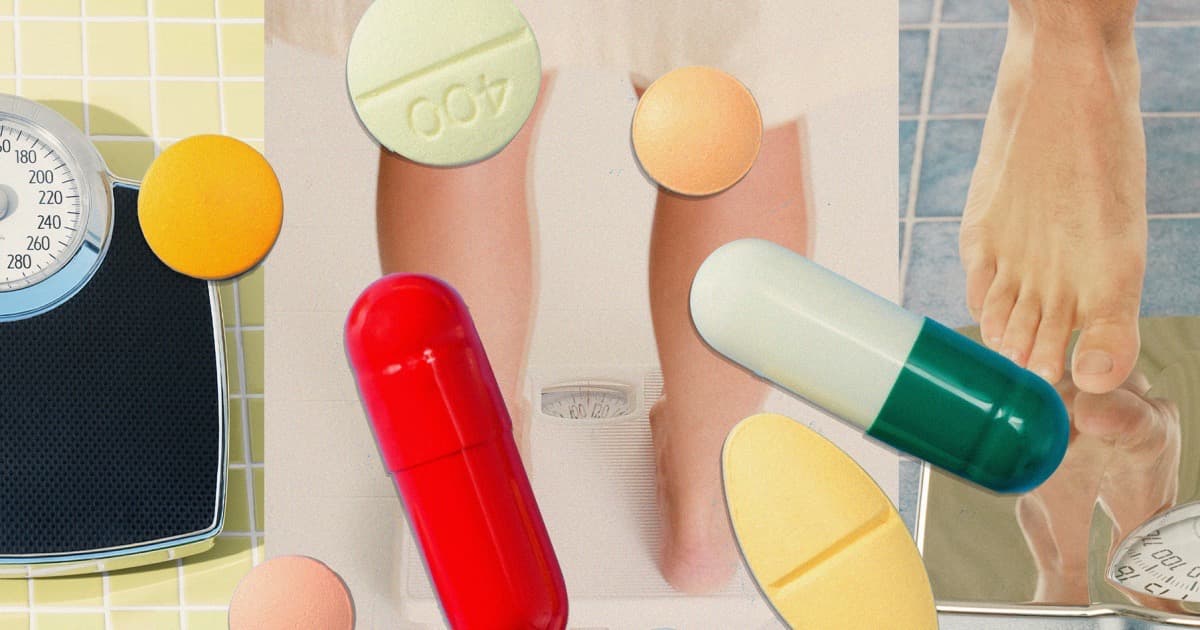
Early 2026 brought an oral GLP-1 option into a market long dominated by weekly injections, while manufacturers also announced lower cash prices for some products. The access change was a broader set of formats and price points, not a single new standard for every household.
For households, the bottleneck remained the institutions that decide coverage, pharmacy availability, and out-of-pocket cost. A daily tablet may change how a product is supplied, but it does not by itself remove a prescription requirement or an insurance restriction.
This was a market outlook, not a promise about what came next. Product approvals, prices, supply, and plan rules can move independently, and no advertised option is a personal treatment recommendation.
DisclaimerEducational news and research awareness content. Not medical advice.Read full disclaimer ▾
This page shares third-party news coverage, official research listings, and public clinical updates for educational awareness only. Catalyst does not present this information as medical advice, treatment guidance, or a claim of safety, efficacy, or approval.
Related context
How this story connects across the peptide landscape.


 Continue reading · Access & IndustryPeptide News / Access & IndustryA 2025 access guide showed how one month of Zepbound could carry very different prices depending on the payment patHealth.com · Dec 9, 2025 · scroll to read