03 · Frontier Science
Protein design is expanding the research toolkit behind future medicines
 1 min read
David Baker’s TED conversation turns protein design from an abstract AI story into a plain-language map of what scientists are trying to build.

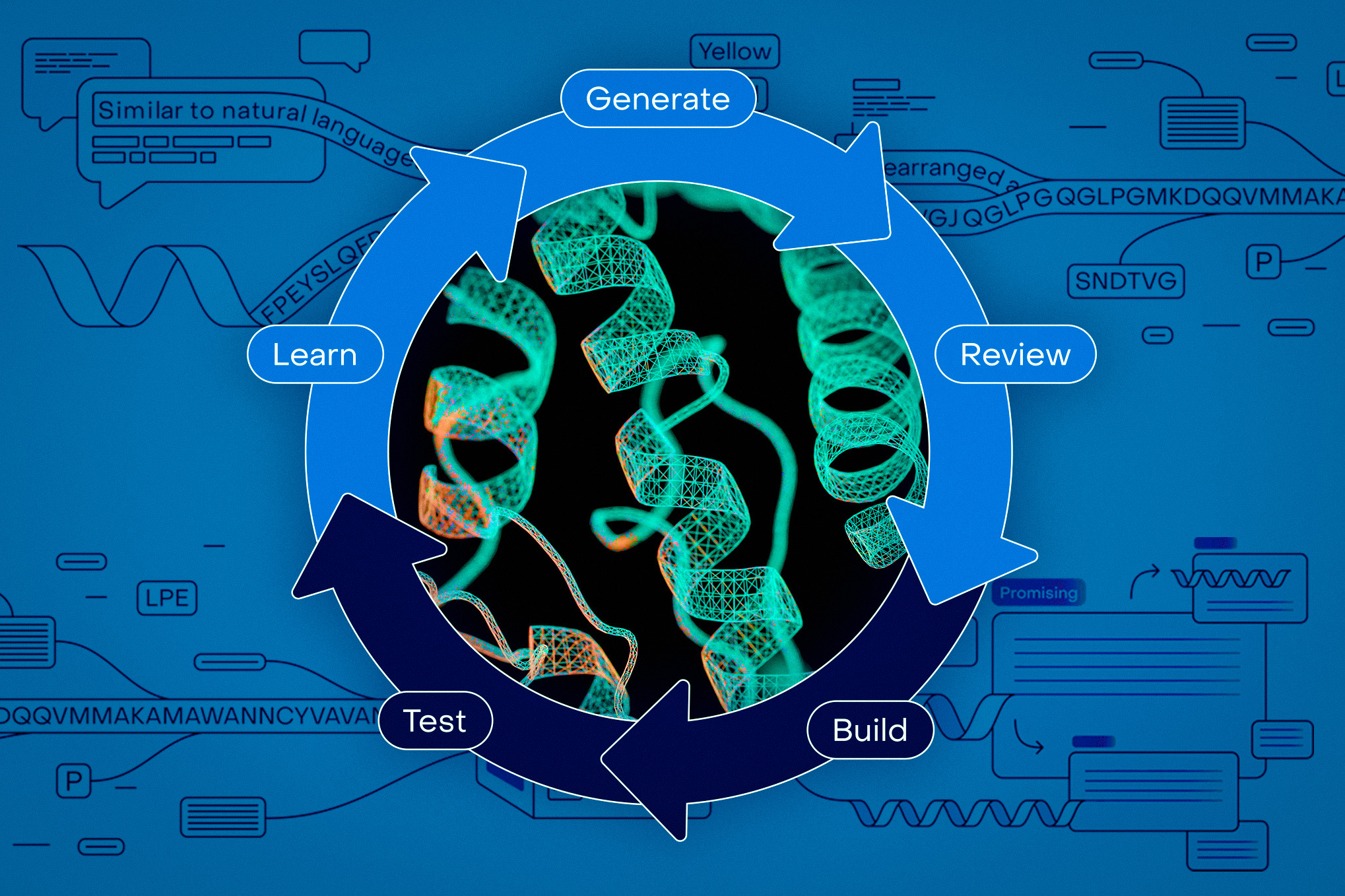
Protein-design research is making it possible to create proteins with functions not found in nature. A 2025 science discussion traced how computational methods and laboratory testing are being used to explore that broader capability.
The relevance to peptide science is long-term: proteins and peptides are part of the same biological design landscape, and new tools may widen the range of questions researchers can test. That is not the same as a new treatment.
This is foundational research context, not a clinical update. A specific medical application would still need its own evidence, human testing and regulatory review.
DisclaimerEducational news and research awareness content. Not medical advice.Read full disclaimer ▾
This page shares third-party news coverage, official research listings, and public clinical updates for educational awareness only. Catalyst does not present this information as medical advice, treatment guidance, or a claim of safety, efficacy, or approval.
Related context
How this story connects across the peptide landscape.





 Continue reading · Frontier SciencePeptide News / Frontier ScienceA 2025 overview described GLP-1 medicines as a major change in obesity treatment because they can affect appetite aMen's Health · Mar 28, 2025 · scroll to read