03 · Frontier Science
The cancer question around GLP-1 medicines is still early
 1 min read
A PBS NewsHour segment explains why researchers are interested in cancer signals, and why observational data cannot settle the question.
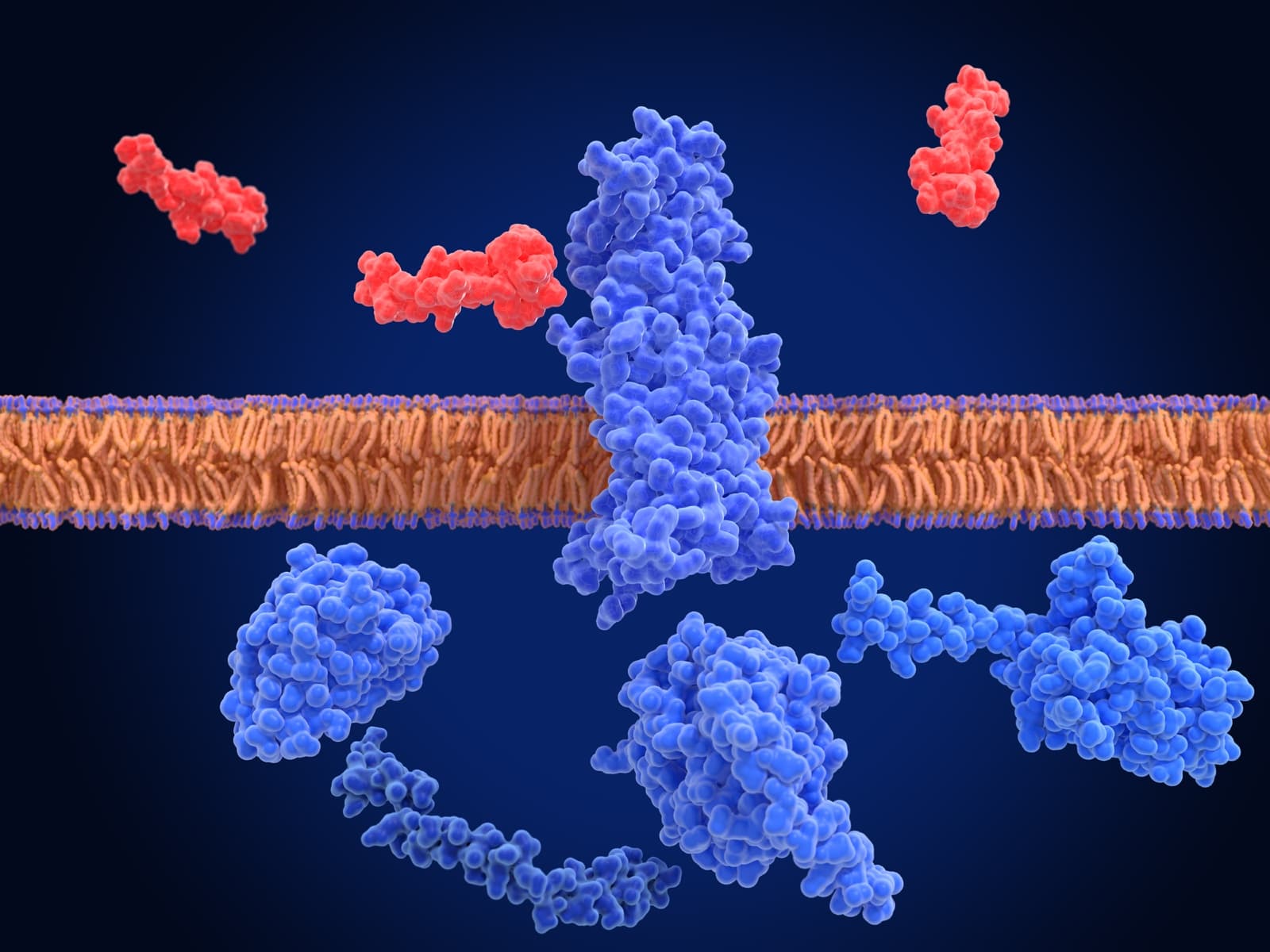
The possibility that GLP-1 medicines could matter in some cancer questions is attracting attention because weight, metabolism and inflammation already shape many areas of health. Attention, however, is not an answer.
The current discussion is about emerging research, not a cancer indication or a reason to treat these medicines as prevention. Observed associations and early mechanisms cannot replace direct evidence in the people and cancers at issue.
The next step is rigorous work that separates a medicine’s effects from the many factors surrounding weight and cancer risk. Until then, this is a frontier question, not a treatment message.
Read the full story at PBS News Hour ↗
DisclaimerEducational news and research awareness content. Not medical advice.Read full disclaimer ▾
This page shares third-party news coverage, official research listings, and public clinical updates for educational awareness only. Catalyst does not present this information as medical advice, treatment guidance, or a claim of safety, efficacy, or approval.
Related context
How this story connects across the peptide landscape.
MOTS-C is a small peptide associated with mitochondria that has attracted attention in early research on metabolism

Weight loss drugs are being tested on overweight cats, starting with about 70

A designed enzyme shows where protein engineering is heading
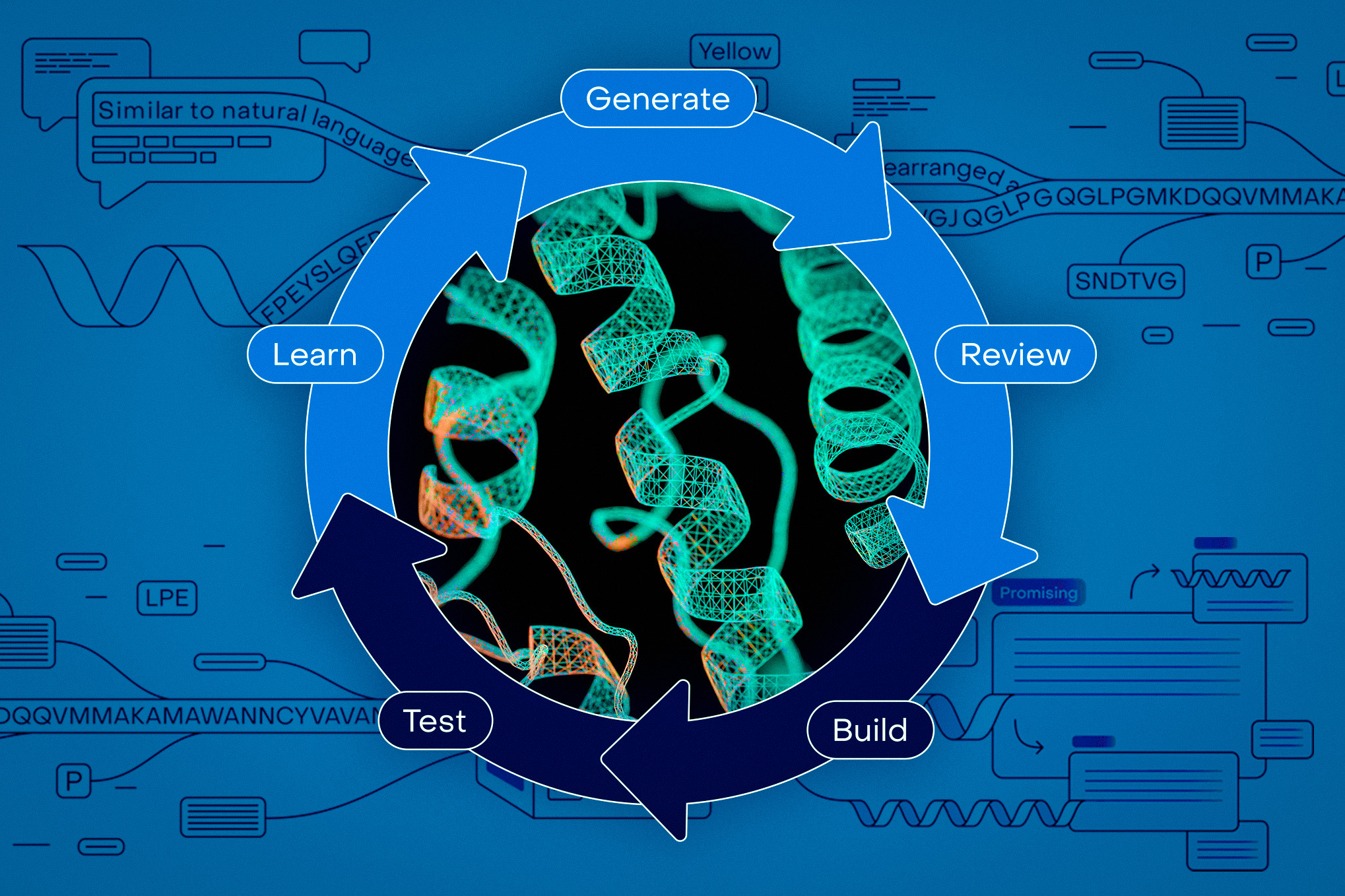
 Continue reading · Frontier SciencePeptide News / Frontier ScienceA no-code protein-design platform widened access to an early research toolMIT News · Apr 17, 2026 · scroll to read