01 · Cultural Shifts
The most talked-about drug class began with a desert lizard
A peptide in Gila monster venom lasts longer in the body than the human hormone it resembles. That was the opening.
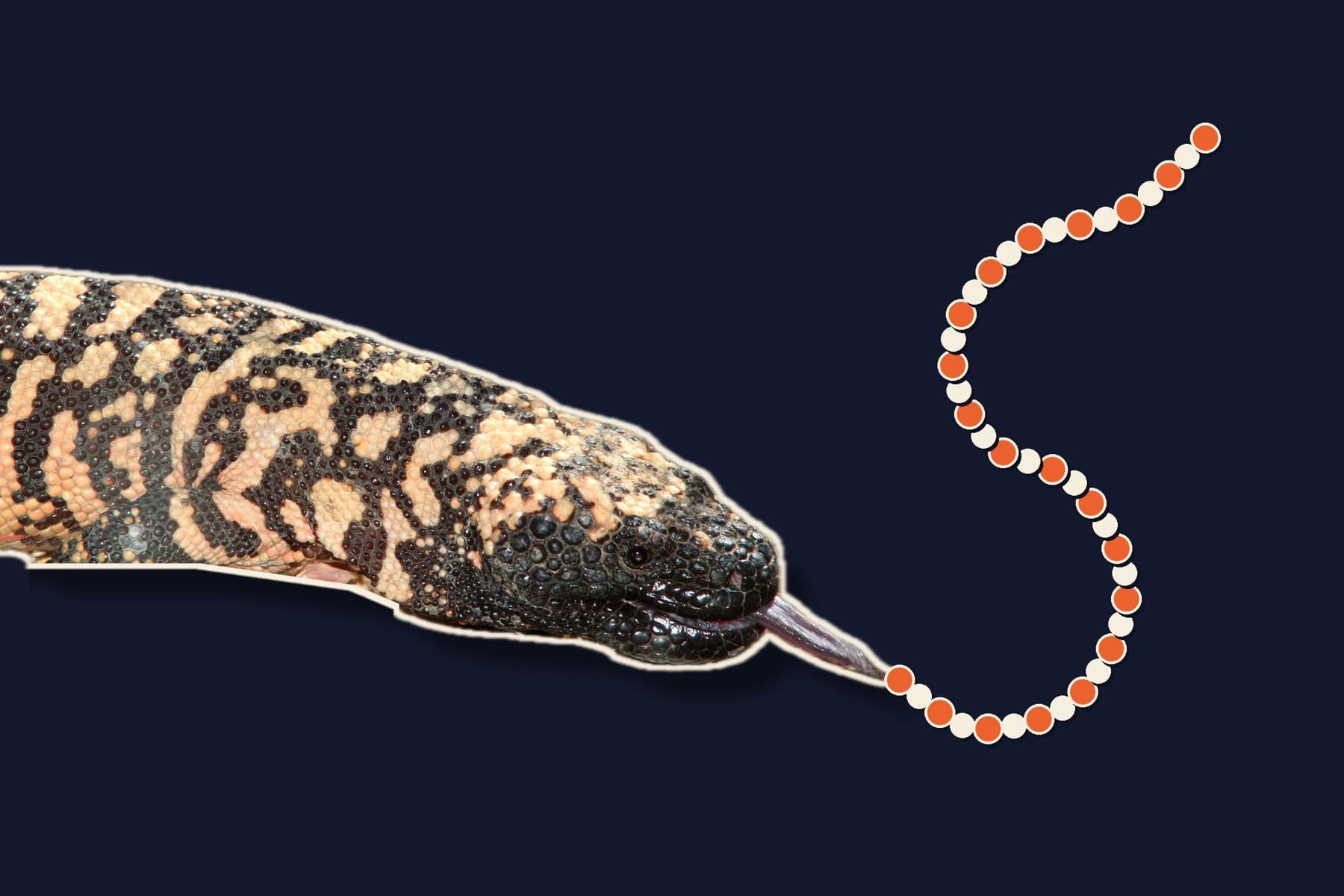
In the deserts that straddle the border of the United States and Mexico lives a venomous lizard the Navajo have honored for generations: the Gila monster. Its venom holds a peptide called exendin-4.
Exendin-4 behaves like GLP-1, the human gut hormone, but resists the enzymes that break the hormone down. That staying power led to exenatide, and later to liraglutide and semaglutide.
Built for type 2 diabetes, the class now anchors obesity care in a world where more than 1 billion people live with obesity. Dermatologists are the newest to take interest, on early evidence that these medicines may influence inflammatory skin disease.
Read the full story at Clinics in Dermatology ↗
DisclaimerEducational news and research awareness content. Not medical advice.Read full disclaimer ▾
This page shares third-party news coverage, official research listings, and public clinical updates for educational awareness only. Catalyst does not present this information as medical advice, treatment guidance, or a claim of safety, efficacy, or approval.
Related context
How this story connects across the peptide landscape.



 Continue reading · Cultural ShiftsPeptide News / Cultural ShiftsA painful fat disorder millions of women have — and almost none have heard ofWomen's Health · Oct 15, 2026 · scroll to read