03 · Frontier Science
A designed enzyme shows where protein engineering is heading
 1 min read
A Doudna lab platform pushes past GLP-1 headlines into AI-designed proteins and compact gene-editing tools.
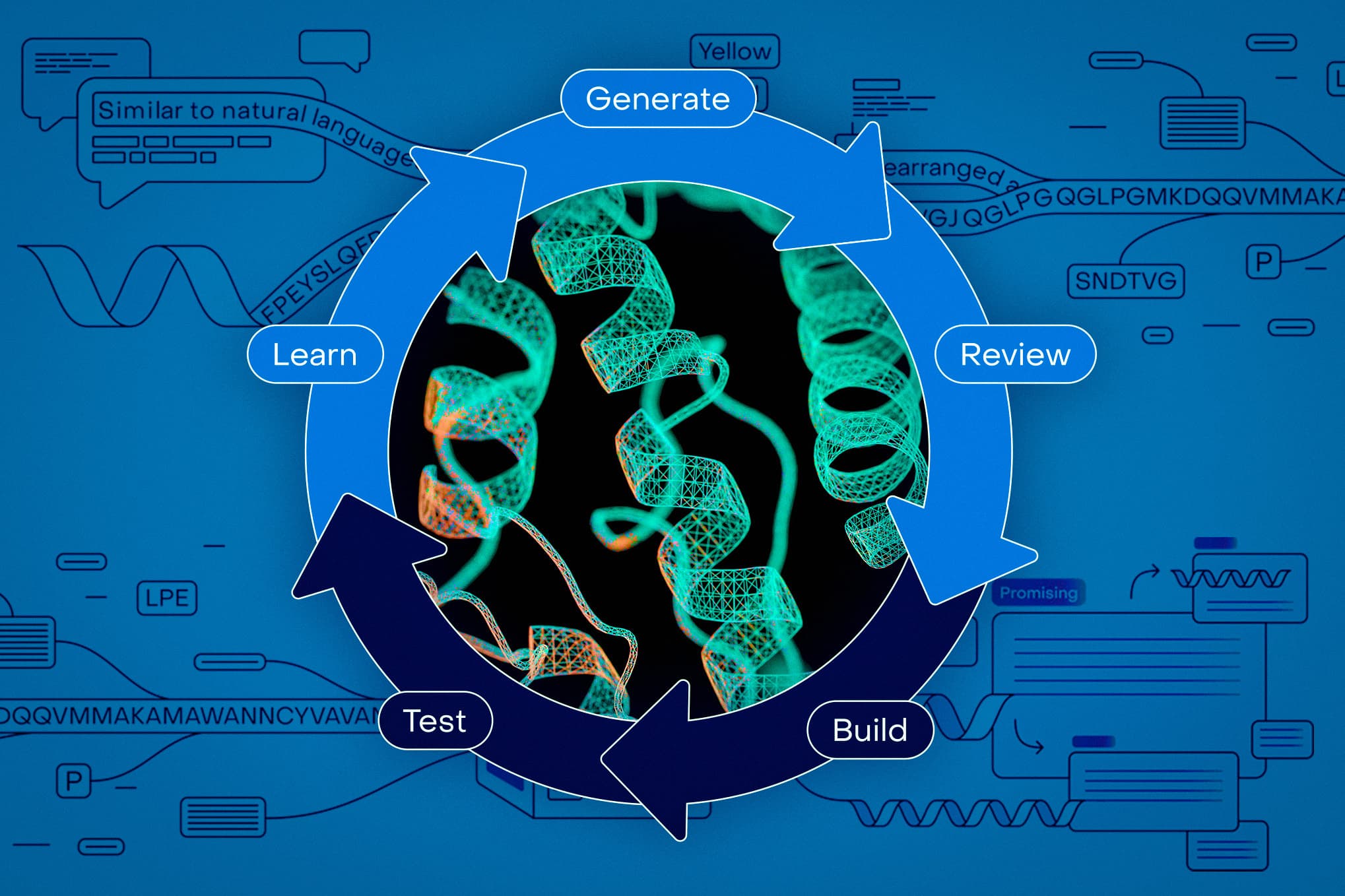
Protein design is becoming less like searching for one lucky sequence and more like testing many plausible ones. In this work, researchers used a design model and evolutionary constraints to build variants of a small RNA-guided enzyme.
Some variants retained or exceeded the starting enzyme’s activity in laboratory systems, and structural work suggested why. That is a technical advance in making proteins that still function after substantial redesign.
It is not a treatment result or a shortcut from software to medicine. The next question is whether this approach remains reliable as proteins, tasks and biological settings become more complex.
Read the full story at Science ↗
DisclaimerEducational news and research awareness content. Not medical advice.Read full disclaimer ▾
This page shares third-party news coverage, official research listings, and public clinical updates for educational awareness only. Catalyst does not present this information as medical advice, treatment guidance, or a claim of safety, efficacy, or approval.
Related context
How this story connects across the peptide landscape.
MOTS-C is a small peptide associated with mitochondria that has attracted attention in early research on metabolism

Weight loss drugs are being tested on overweight cats, starting with about 70

The cancer question around GLP-1 medicines is still early

 Continue reading · Frontier SciencePeptide News / Frontier ScienceA GLP-1 implant is testing a different delivery idea, not offering a new option yetCNBC Health and Science · Jul 11, 2026 · scroll to read