02 · Clinical Findings
Seven fewer people per 1,000 on GLP-1s developed a substance use disorder
 1 min read
Nobody designed these drugs for addiction, which is why the pattern showing up in veterans' medical records is being read so carefully.
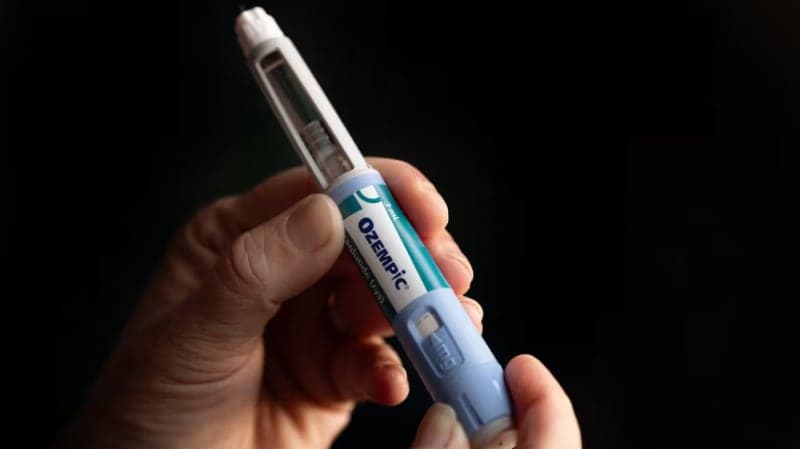
Among more than 600,000 people with type 2 diabetes in US veterans' health records, those on GLP-1 medicines developed substance use disorders less often: about seven fewer people per 1,000 across three years than people taking a different class of diabetes drug. The analysis, published in The BMJ, also reported a 50% drop in deaths involving drugs and a 25% drop in suicidal ideation among those already diagnosed.
Researchers called the breadth of the effect the promising part, because the pattern held across alcohol, cannabis, cocaine, nicotine and opioids, including two for which no medicine exists today. These drugs act on the gut and the brain at once, which is how they quiet appetite, and reward circuitry is the plausible bridge to substances. Several well-powered randomized trials on alcohol use are due to report within six months.
Records cannot separate the drug from the person taking it. People who start these medicines may be more motivated to change behavior or followed more closely by their doctors, one epidemiologist noted, and the veterans' data skews older and mostly male, so how far the finding travels is still unknown. Whether any of it belongs in addiction care is a question for those trials and for a qualified clinician.
DisclaimerEducational news and research awareness content. Not medical advice.Read full disclaimer ▾
This page shares third-party news coverage, official research listings, and public clinical updates for educational awareness only. Catalyst does not present this information as medical advice, treatment guidance, or a claim of safety, efficacy, or approval.
Related context
How this story connects across the peptide landscape.
Combining two diabetes drug classes is not automatically a bigger clinical benefit

At the highest dose, retatrutide cut 21% of body weight in people with type 2 diabetes

Tirzepatide kept nearly 99% of prediabetes patients diabetes-free over three years
 Continue reading · Clinical FindingsPeptide News / Clinical FindingsGLP-1 use came with a 14 percent reduced risk of substance use disorders in 600,000 veteransScientific American · Mar 4, 2026 · scroll to read