02 · Clinical Findings
The weight-loss drugs that may also quiet addiction
 2 min read
Addiction doctors already prescribe GLP-1s off-label and patients say cravings fade within days, but the drugs are not approved for addiction and trial results are not in yet.
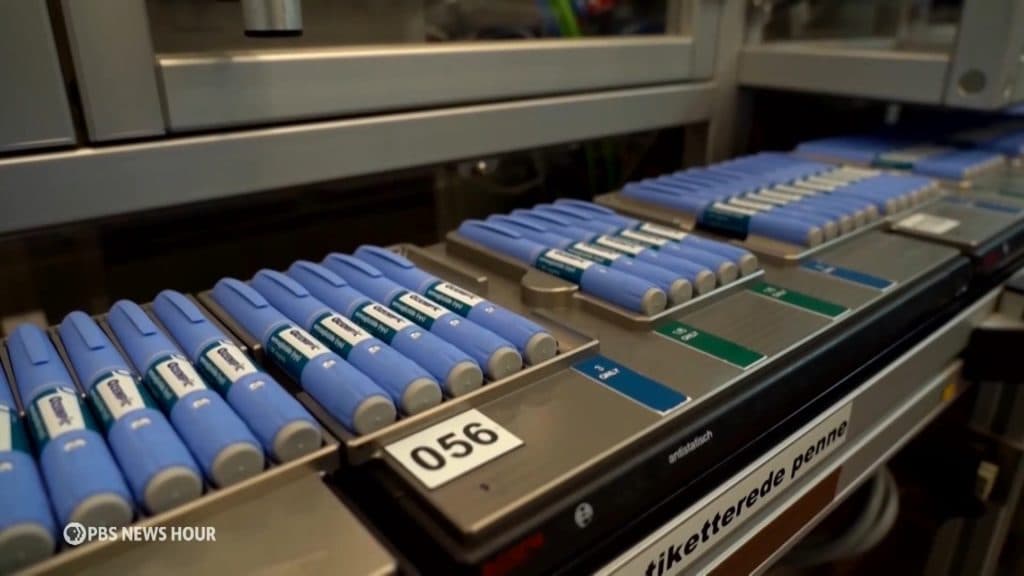
At Caron Treatment Centers in eastern Pennsylvania, Dr. Steven Klein has prescribed GLP-1 medications off-label to more than 600 people with addiction over the past two years; Klein, nine years sober himself and taking a GLP-1, says patients repeatedly tell him they drink less, smoke less, or use less. In a grant-funded telemedicine pilot, Jessica Massarone — who lost her job, her apartment, and custody of her three children over 17 years of addiction — says the cravings stopped almost at once: “Instant. Days.” She is now more than two years sober, sharing custody of her children and managing a restaurant. Another patient, Regina Roberts, has not had a drink in more than 12 months after 17 years of trying to quit.
The limits are plain. The FDA has not approved GLP-1s for any substance use disorder, and the rigorous test is still running: at the National Institutes of Health, Dr. Lorenzo Leggio's team is giving people with substance use disorders a GLP-1 or a placebo and measuring their responses to alcohol and drug cues, with initial findings due next year. Leggio is candid that scientists do not fully understand how the drugs work, for addiction or even for obesity, and that no treatment works for everybody — the open question is which patients are most likely to respond. A study of 600,000 veterans did find GLP-1 use linked to fewer new substance-use disorders across alcohol, cannabis, nicotine, cocaine, and opioids. None of it amounts to treatment guidance, and whether these drugs belong in a person's recovery is a decision that belongs with a qualified clinician.
What remains unknown looms largest for the people already benefiting. Nobody knows whether cravings return if the medication stops; with weight, an average of 60 percent of what is lost comes back within a year of stopping, and Massarone says she does not want to find out. The Rhode Island pilot that treats her for free will likely end in a few months, and without an FDA approval for addiction, insurance will not cover the drugs — leaving patients like her saving to pay hundreds of dollars a month to protect gains they describe as life-changing. Klein cautions that the medications are not a silver bullet, and that recovery still needs community, therapy, and services that are not equally available to everyone.
Read the full story at PBS News Hour ↗
DisclaimerEducational news and research awareness content. Not medical advice.Read full disclaimer ▾
This page shares third-party news coverage, official research listings, and public clinical updates for educational awareness only. Catalyst does not present this information as medical advice, treatment guidance, or a claim of safety, efficacy, or approval.
Related context
How this story connects across the peptide landscape.
Combining two diabetes drug classes is not automatically a bigger clinical benefit

At the highest dose, retatrutide cut 21% of body weight in people with type 2 diabetes

Tirzepatide kept nearly 99% of prediabetes patients diabetes-free over three years
 Continue reading · Clinical FindingsPeptide News / Clinical FindingsTwenty times more new mothers are starting GLP-1 drugs in the months after giving birthMedPage Today · Oct 1, 2026 · scroll to read