02 · Clinical Findings
Adding a GLP-1 to therapy cut heavy drinking days in a 26-week trial
Everyone got the counseling and everyone drank less; the people who also got the injection drank less than that.
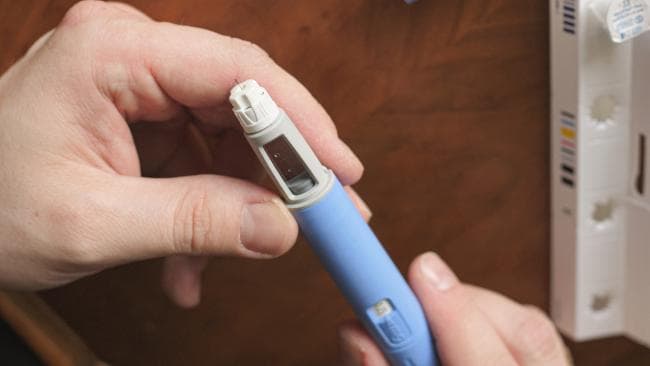
Adults with alcohol use disorder and obesity who took a weekly GLP-1 injection alongside cognitive behavioral therapy cut their heavy drinking days more than those given a placebo and the same therapy. The trial ran 26 weeks, enrolled 108 people and finished with 88.
Decades of research have produced only three medicines for alcohol use disorder, so a randomized, placebo-controlled result carries weight an observational signal never could. These drugs act on brain pathways that handle appetite and reward, and it was the reward half the researchers were testing. The GLP-1 group reduced reported alcohol craving, drinks per drinking day and total monthly consumption more than placebo, and the same group reduced body weight, waist circumference and average blood sugar further.
Everyone in the trial also had obesity, and it is still unknown whether the same effect shows up in people who do not, which is the question the researchers put next. Whether any of this applies to one person belongs with a qualified clinician who knows their health history.
DisclaimerEducational news and research awareness content. Not medical advice.Read full disclaimer ▾
This page shares third-party news coverage, official research listings, and public clinical updates for educational awareness only. Catalyst does not present this information as medical advice, treatment guidance, or a claim of safety, efficacy, or approval.
Related context
How this story connects across the peptide landscape.
Combining two diabetes drug classes is not automatically a bigger clinical benefit

At the highest dose, retatrutide cut 21% of body weight in people with type 2 diabetes

Tirzepatide kept nearly 99% of prediabetes patients diabetes-free over three years
 Continue reading · Clinical FindingsPeptide News / Clinical FindingsThe GLP-1 landscape is changing faster than one drug label can explainMen's Health · Mar 12, 2026 · scroll to read