03 · Frontier Science
A 2025 overview described GLP-1 medicines as a major change in obesity treatment because they can affect appetite a
 1 min read
One of them is an injection given once a month that keeps working long after the last shot. Another asks the gut to make its own peptides.

A 2025 overview described GLP-1 medicines as a major change in obesity treatment because they can affect appetite and metabolic signaling. It also placed that development inside a larger question: a medicine can alter one part of obesity care without resolving every condition that shapes health.
The human stakes include cost, long-term use, side effects, and the social environment around food, work, and stigma. Those factors explain why the arrival of more products does not automatically create equal access or a simple public-health answer.
This is a broad context record, not evidence of a cure or a treatment recommendation. The next proof comes from longer-term safety and outcome evidence, together with a clearer account of who can actually sustain access.
DisclaimerEducational news and research awareness content. Not medical advice.Read full disclaimer ▾
This page shares third-party news coverage, official research listings, and public clinical updates for educational awareness only. Catalyst does not present this information as medical advice, treatment guidance, or a claim of safety, efficacy, or approval.
Related context
How this story connects across the peptide landscape.




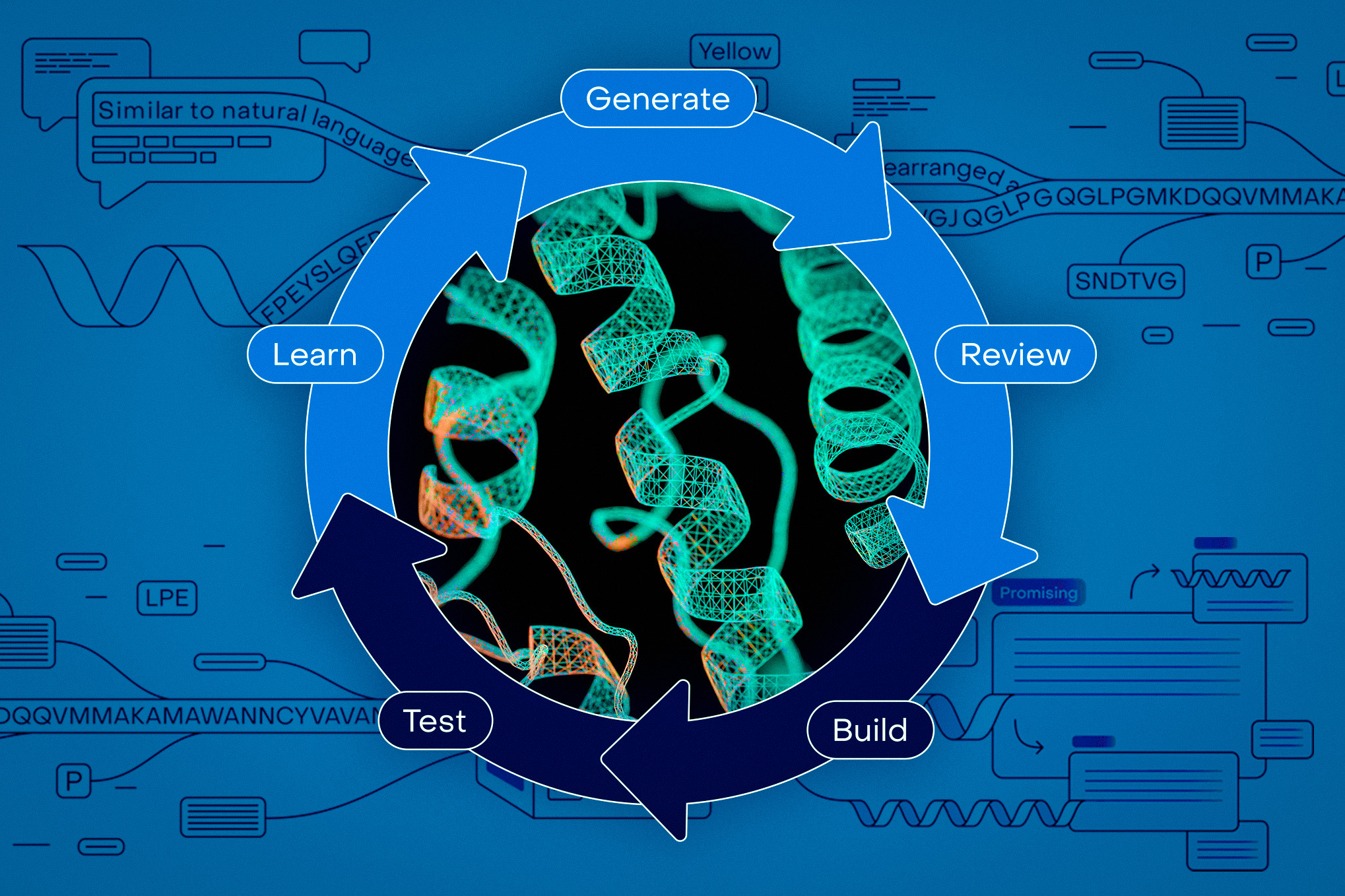
 Continue reading · Frontier SciencePeptide News / Frontier ScienceA tool for designing cyclic peptides moves from code to the labInstitute for Protein Design (Univ. of Washington) · Nov 25, 2024 · scroll to read