04 · Policy & Law
The FDA peptide vote is not an approval
A divided PCAC recommendation could move six popular peptides toward a licensed compounding pathway, but FDA still has to decide and the evidence gap remains the central fact.
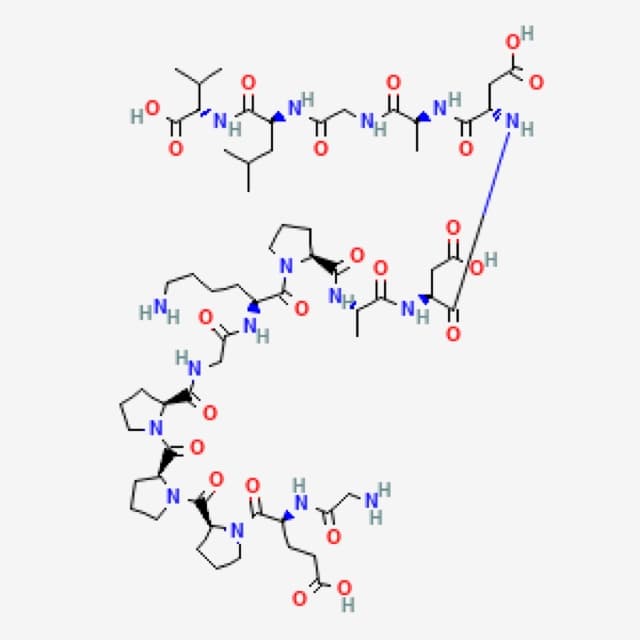
The important thing about the FDA advisory vote is what it is and what it is not. The Pharmacy Compounding Advisory Committee recommended adding six peptides, BPC-157, KPV, TB-500, MOTS-c, Epitalon, and Semax, to the 503A Bulks List. If FDA finalizes that path, state-licensed compounding pharmacies could have a legal ingredient route for prescription preparations. It is not FDA approval, not a finding that the products are safe or effective, and not permission to treat internet vials as medicine.
The practical reason the vote matters is that patient demand already exists outside ordinary drug approval. Some advisers treated compounding as harm reduction: if demand is already real, a supervised pharmacy path may create more oversight than unsupervised access. That argument is about quality control and access reality, not proof that the clinical claims have been earned.
The scientific objection is also real. FDA staff opposed adding the peptides, pointing to weak human evidence, inconsistent formulations, incomplete safety characterization, and possible immune or contamination concerns. FDA's own meeting materials show the committee was reviewing specific proposed uses, from wound healing and inflammatory conditions to obesity, osteoporosis, migraine, cerebral ischemia, and insomnia. Most of those claims are not backed by the kind of human trial package that would support ordinary drug approval.
The correct reader takeaway is a regulatory fork. If FDA follows the panel, some peptides could move toward physician-prescribed compounding for patients with a prescription. If FDA rejects or slows the recommendations, the current access gap and uncertainty continue. Either way, the decision does not collapse the difference between a promising peptide idea, a compounded preparation, and an FDA-approved medicine. Catalyst will track the next step because this is where peptide science, patient demand, access, and regulatory discipline now collide.
PCAC recommendations are non-binding. BPC-157, KPV, TB-500, MOTS-c, Epitalon, and Semax remain unapproved unless FDA completes a final process; this is educational analysis, not medical advice or a recommendation to obtain compounded peptides.
Read the full story at Catalyst Original ↗
Source stack
Primary materials and reporting used for this Catalyst analysis.
Retatrutide is investigational and is not FDA-approved. Other medicines referenced here are covered as third-party news for educational awareness only. Catalyst does not present this information as medical advice, treatment guidance, or a claim of safety, efficacy, or approval.
Related context
How this story connects across the peptide landscape.