05 · Access & Industry
A GLP-1 workforce study links better health to fewer long sick leaves
A new economic study gives the category a practical public-health frame: fewer extended absences, healthier workers, and a clearer employer-access question.
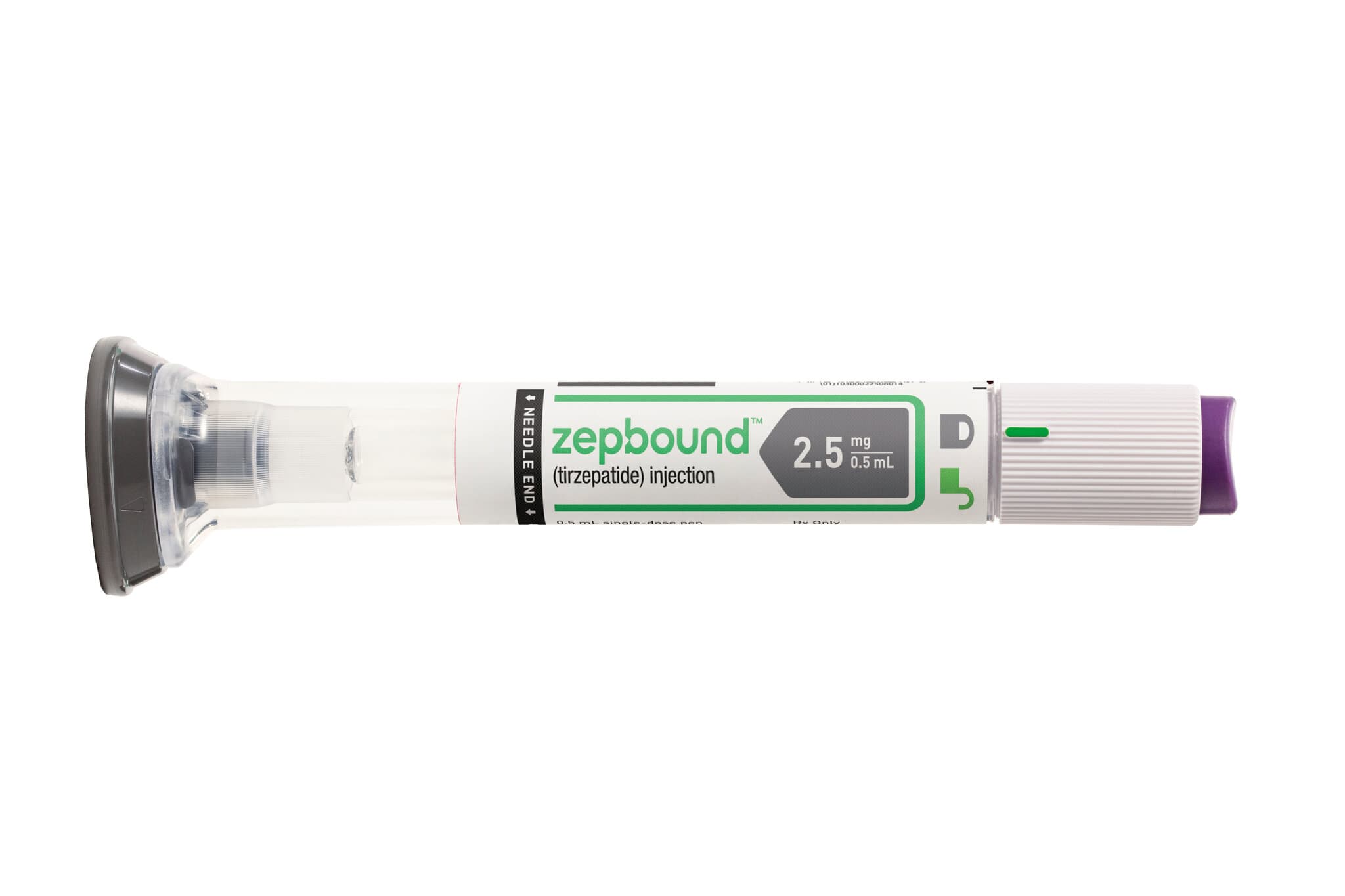
The new workplace-health signal comes from Danish administrative data, not a U.S. employer-benefits study. An economic study found that employees using GLP-1 medicines had 17% less long-term sick leave than comparable workers. That matters because it connects the category to something employers, benefits teams, and families can understand: whether better metabolic health can translate into fewer long absences from work.
The number should be read carefully. A sick-leave study is not the same as a randomized clinical trial, and it does not prove that every patient or every employer will see the same result. It does suggest that the value conversation around GLP-1s is wider than pounds lost or a pharmacy bill. If a treatment helps some people stay healthier and miss fewer extended work periods, the access question becomes partly economic as well as medical.
For readers, the practical point is concrete but not a direct U.S. coverage conclusion, because Denmark's leave and health-care systems differ. Employers often see the cost of these medicines before they see any long-term health benefit, and insurance coverage can remain the access barrier even when the medical case is strong. A workforce study gives benefits teams another way to ask the question: not only how much a prescription costs this month, but whether legitimate, supervised treatment can reduce downstream strain from diabetes, obesity-related illness, and time away from work.
This is not a personal recommendation. The right decision for any patient depends on eligibility, diagnosis, clinician oversight, coverage, and the medicine being legitimate and appropriate. The practical value is concrete: it turns the GLP-1 access debate toward measurable health and work outcomes rather than fear or spectacle.
This is workforce-health and access context, not medical, benefits, or employment advice.
Read the full story at The Hill ↗
Retatrutide is investigational and is not FDA-approved. Other medicines referenced here are covered as third-party news for educational awareness only. Catalyst does not present this information as medical advice, treatment guidance, or a claim of safety, efficacy, or approval.
Related context
How this story connects across the peptide landscape.



 Continue reading · Access & IndustryPeptide News / Access & IndustryEli Lilly's obesity business is growing from all over the worldCNBC Health and Science · Jul 9, 2026 · scroll to read