02 · Clinical Findings
The alcohol signal outlasted the prescription by six months, then went quiet
Sweden's registers let researchers compare 167,026 people against themselves, on the medicine and off it, which is a rare kind of control.
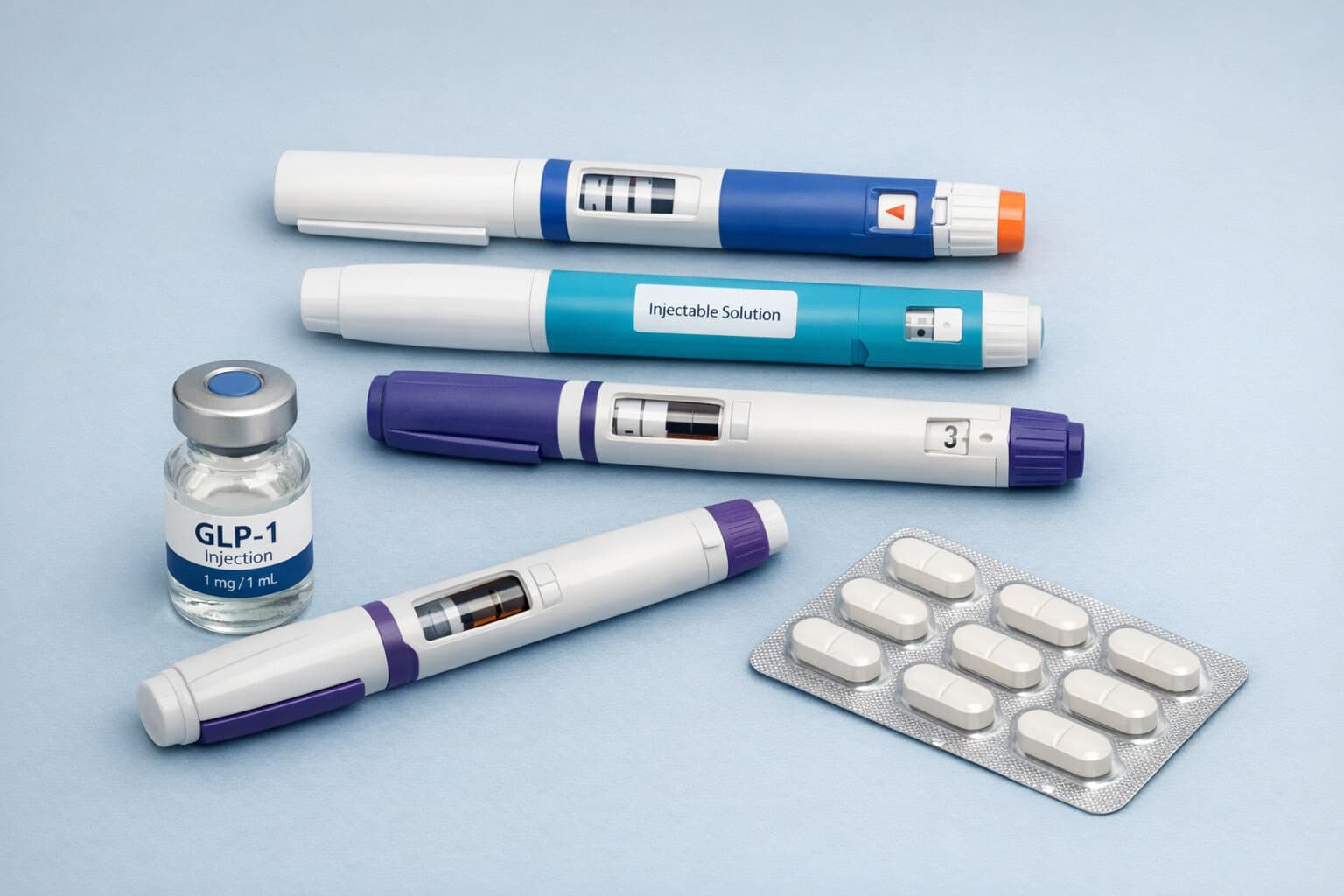
Alcohol-related hospital admissions stayed lower for the first six months after people stopped taking GLP-1 receptor agonists, and in the six to 12 month window that difference was no longer statistically significant. Substance-related admissions showed no significant association after treatment ended, in either window.
Registry records from 167,026 people with type 2 diabetes in Sweden sit behind that, among the largest looks at the question so far, and the study compared each person during treatment against stretches when they took nothing. Using people as their own control is unusually strong for observational work, because it takes out the differences between one patient and the next. It remains observational all the same, which means association and not cause.
What is still unknown is the mechanism, and only people with type 2 diabetes were included, which narrows who the result speaks for. The lead author describes the effect on addiction-related behavior as reversible and points to the months after treatment ends as the stretch that deserves attention. Any decision about starting or stopping belongs with a qualified clinician who knows the person's health history, and none of it is medical advice.
Read the full story at Medical Xpress ↗
Retatrutide is investigational and is not FDA-approved. Other medicines referenced here are covered as third-party news for educational awareness only. Catalyst does not present this information as medical advice, treatment guidance, or a claim of safety, efficacy, or approval.
Related context
How this story connects across the peptide landscape.



 Continue reading · Clinical FindingsPeptide News / Clinical FindingsIndia's Wegovy decision puts GLP-1s into the fatty-liver conversationReuters · Jul 17, 2026 · scroll to read