03 · Frontier Science
Researchers and companies have begun using artificial-intelligence systems to generate antibody sequences with drug
 1 min read
The breakthrough is not that a computer can suggest a protein. It is whether the suggestion becomes a medicine with less laboratory rescue.

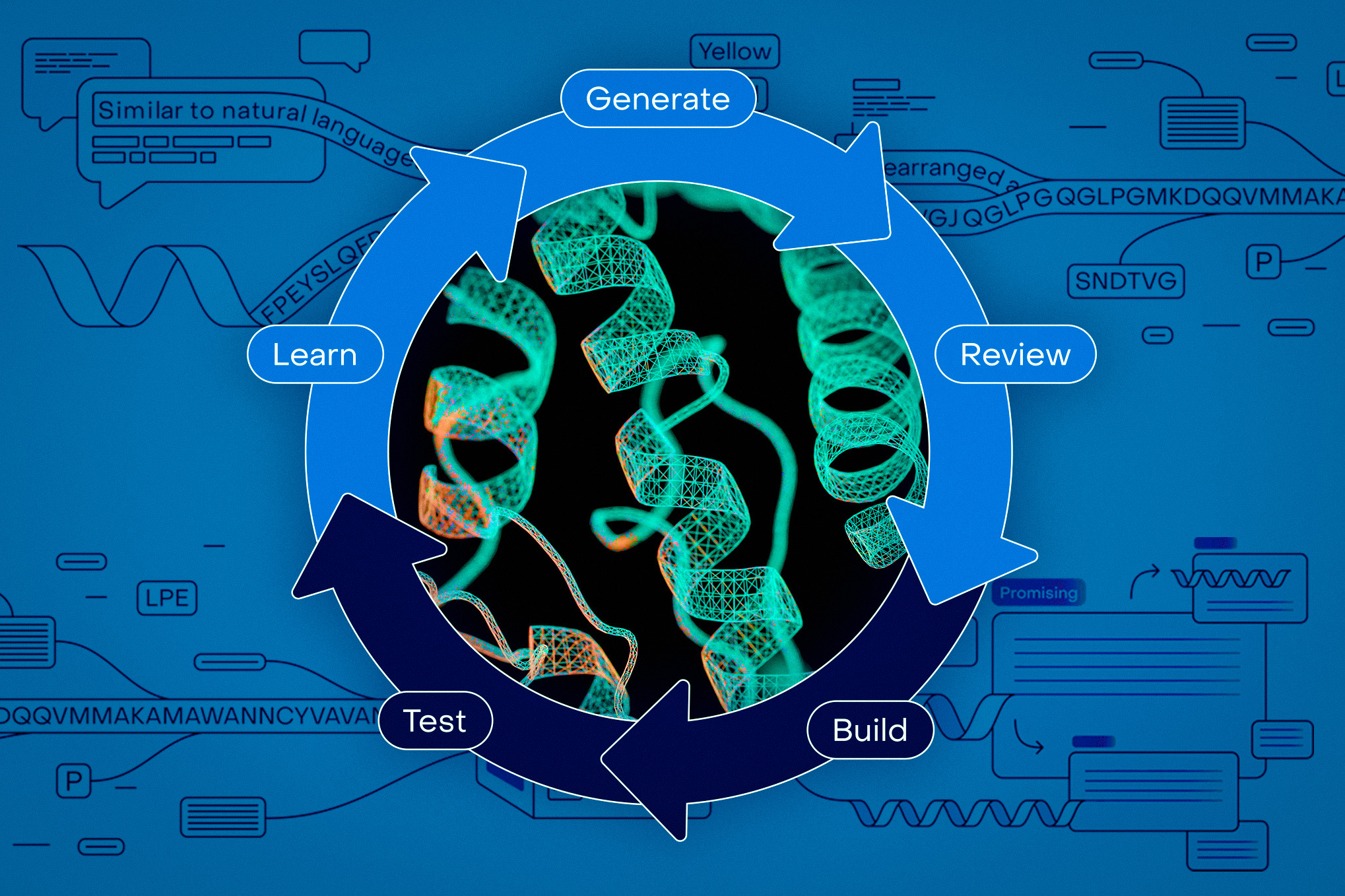
Researchers and companies have begun using artificial-intelligence systems to generate antibody sequences with drug-like properties. The shift is a design-stage development: software can propose candidates that scientists then refine and test in the laboratory.
The important limit is that a plausible antibody is not yet a medicine. Researchers still need to show that a candidate binds as intended, can be manufactured, is safe enough to study, and produces a meaningful result in people.
There is no single agreed definition of an AI-designed antibody, and the field had not yet produced a clear clinical success from one. The next proof is not a model demonstration but independent experimental and human evidence.
DisclaimerEducational news and research awareness content. Not medical advice.Read full disclaimer ▾
This page shares third-party news coverage, official research listings, and public clinical updates for educational awareness only. Catalyst does not present this information as medical advice, treatment guidance, or a claim of safety, efficacy, or approval.
Related context
How this story connects across the peptide landscape.





 Continue reading · Frontier SciencePeptide News / Frontier ScienceProtein design is expanding the research toolkit behind future medicinesTED (David Baker) · Jun 2025 · scroll to read