03 · Frontier Science
The science behind the peptide boom came out of junk DNA
 1 min read
Two decades of laboratory work produced a real discovery. The vials people order have not caught up with it.
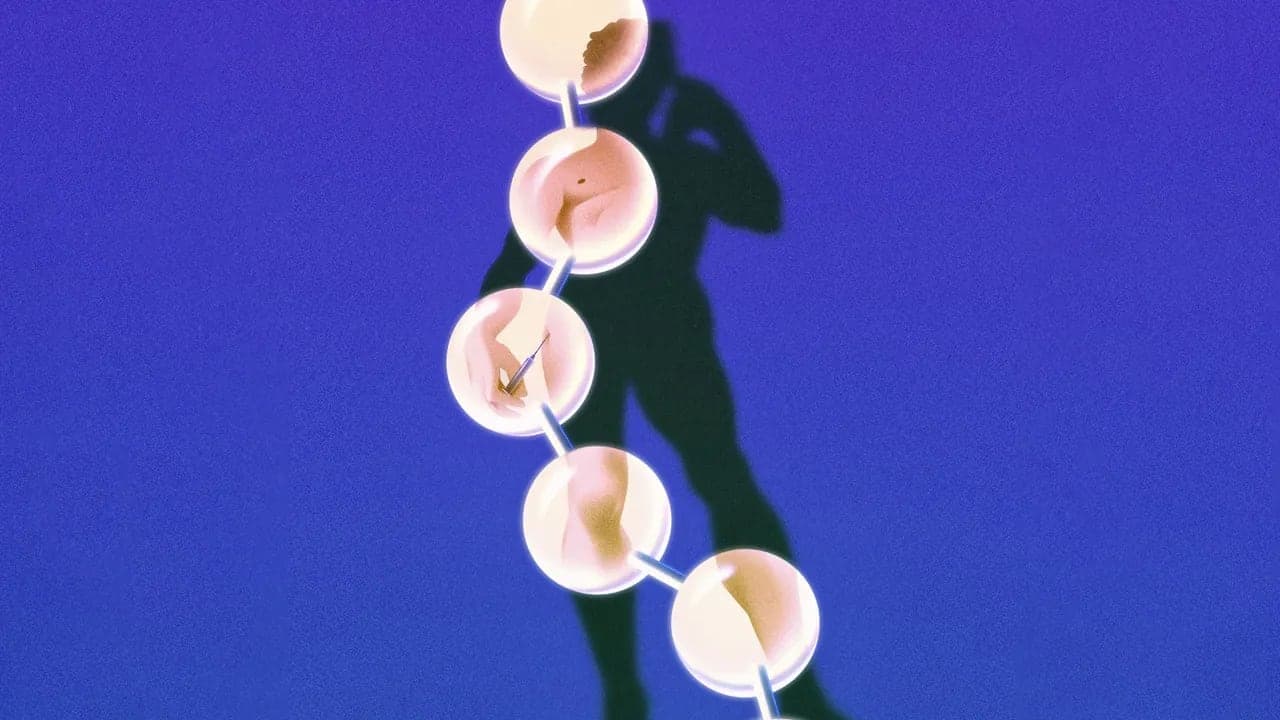
A pediatric endocrinologist at UCLA hunting a protein tied to insulin resistance kept pulling out a chain of only twenty-four amino acids he could not place. That peptide, humanin, was traced to mitochondrial DNA, part of the ninety-eight per cent of the human genome long written off as junk.
Junk DNA turned out to carry instructions for peptides nobody had studied. The same lab, now at USC, identified MOTS-c, which switches on the cellular machinery exercise normally turns on, and older mice given it ran twice as long as untreated ones. Promising enough to build a company around, MOTS-c reached a Phase I clinical trial and stopped there: its short half-life meant several injections a day, and the funding ran out.
What has not happened is the ordinary next proof step. BPC-157, the peptide with the loudest following, was discovered more than three decades ago and no controlled human trial of it has ever been published; a 2015 trial in Tijuana was never released. Independent testing of samples ordered online found serious anomalies of purity, dosage or sterility in about ten per cent, one vial carrying less than forty-two per cent of its advertised dose. The scientist who found humanin puts it plainly: the history of shortcuts is not a happy one.
DisclaimerEducational news and research awareness content. Not medical advice.Read full disclaimer ▾
This page shares third-party news coverage, official research listings, and public clinical updates for educational awareness only. Catalyst does not present this information as medical advice, treatment guidance, or a claim of safety, efficacy, or approval.
Related context
How this story connects across the peptide landscape.





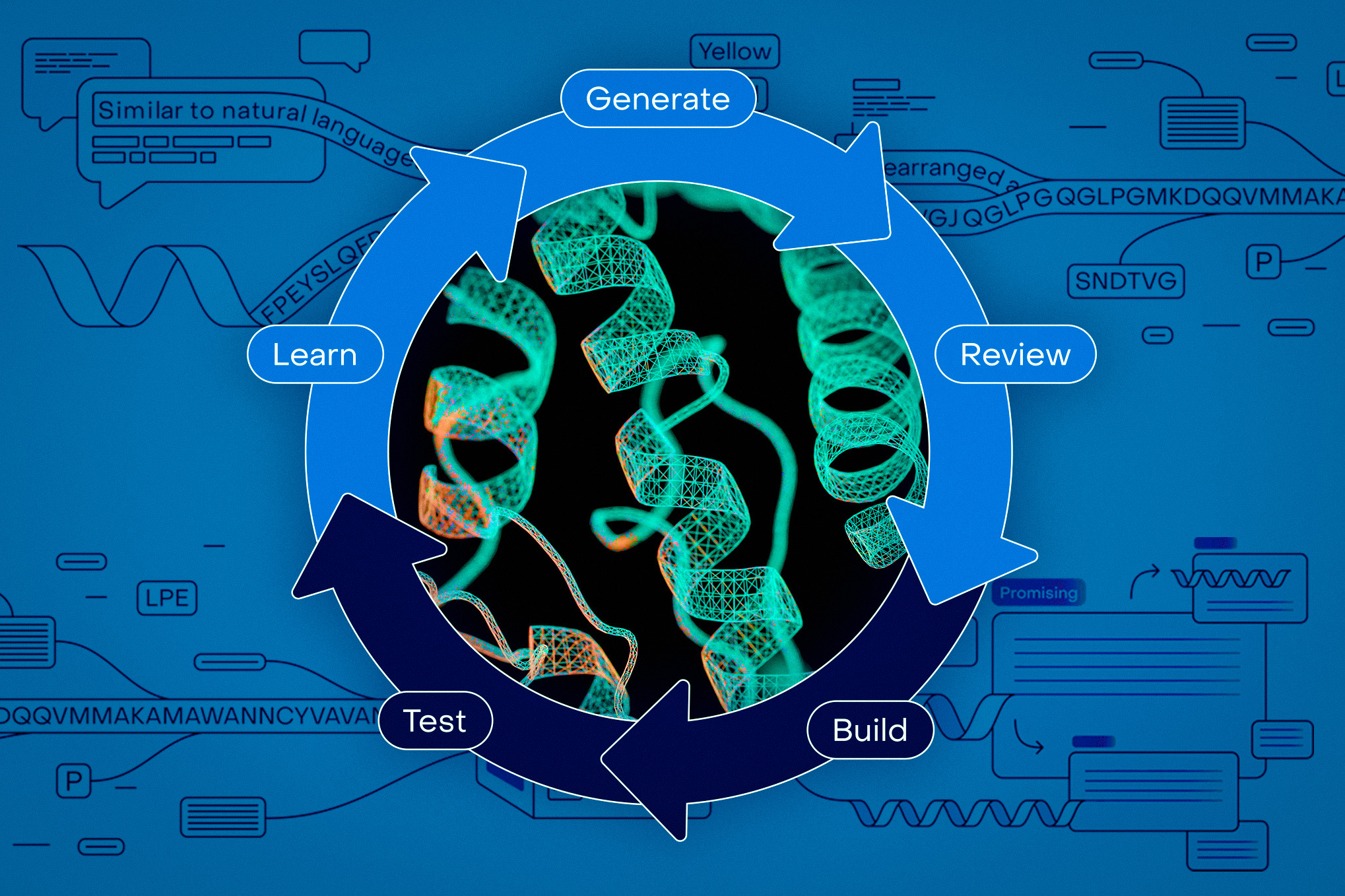
 Continue reading · Frontier SciencePeptide News / Frontier ScienceA private AI drug-discovery model raised a public proof questionNature · Feb 19, 2026 · scroll to read