01 · Cultural Shifts
A painful fat disorder millions of women have — and almost none have heard of
Lipedema may affect 5 to 12 percent of US women and takes about a decade to diagnose on average; some patients first learn its name inside GLP-1 communities online.
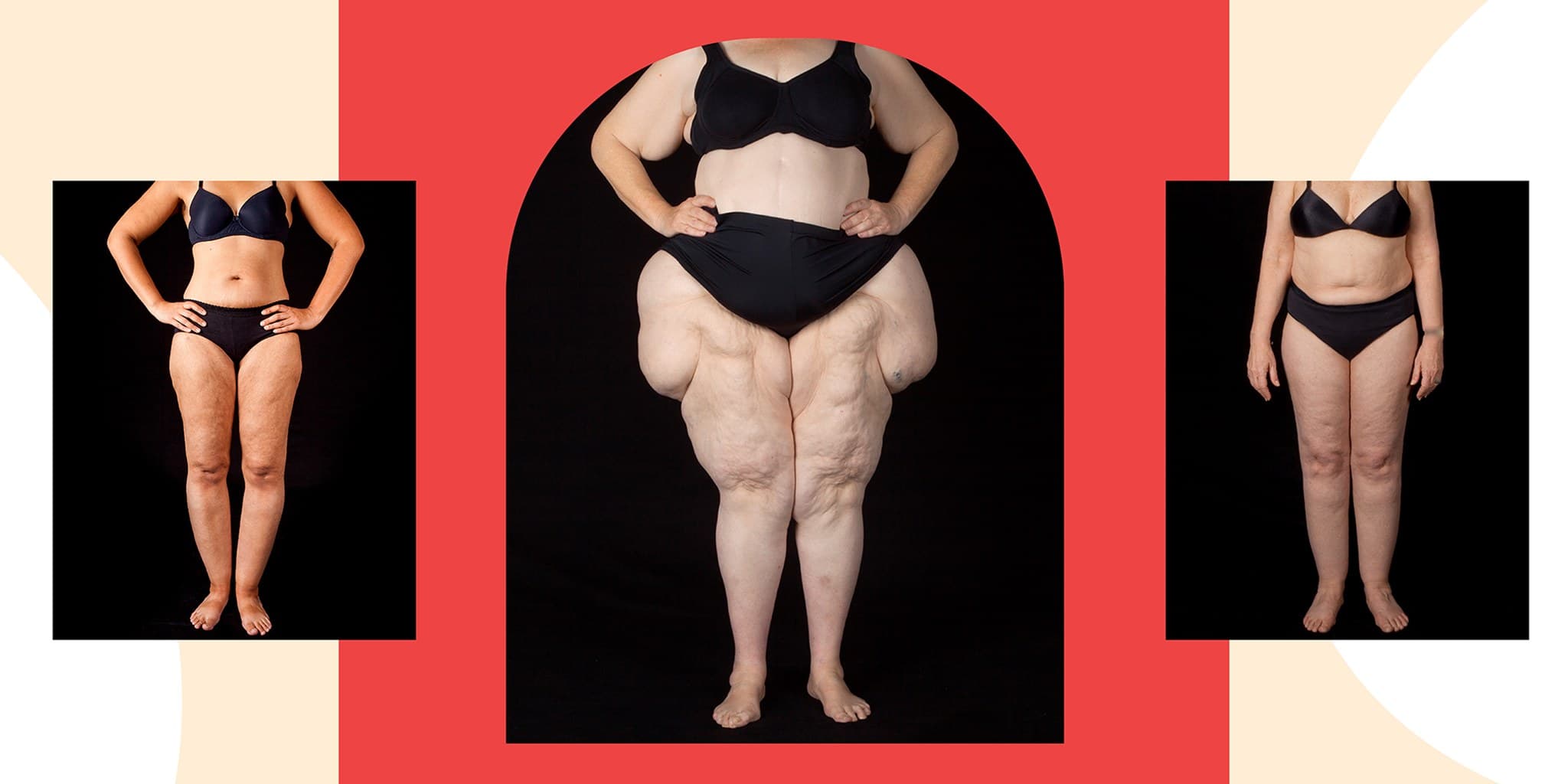
Aisha Durham, a professor at the University of South Florida, spent years collecting explanations that were wrong: undifferentiated connective tissue disease, fibromyalgia, a spider bite, an allergic reaction, and one doctor who told her she was simply fat. Dieting, a dietitian, and one-on-one Pilates changed nothing. She found the answer herself, in a YouTube presentation by endocrinologist Karen Herbst — “Those legs look like mine” — and flew to Arizona for the diagnosis local doctors had not given her: stage 2 lipedema. “I cried,” she says. “It didn't get rid of the condition at all. But it was just so relieving to have a doctor confirm what I was experiencing.”
Durham's decade of dismissal is the norm. Behind each statistic are people — patients who spent years being told their bodies were simply the problem. The Lipedema Foundation estimates that 5 to 12 percent of women in the US have lipedema, yet diagnosis takes about 10 years on average, and the average age at diagnosis is 48. There is no blood test or scan for it; diagnosis rests on history and physical exam, many primary-care doctors were never taught it, and the United States has no diagnostic code for the condition — the CDC has approved one, but it does not take effect until October 2027, and without a code insurers often will not pay. Lipedema fat also behaves differently from ordinary fat: it generally does not respond to diet and exercise, so women can restrict, train, and even undergo bariatric surgery while the disproportion in their legs stays exactly where it was.
Caroline, a Los Angeles journalist, lived that arithmetic: after bariatric surgery, 800-calorie diets, and years of being told to lose weight, she started a GLP-1 for hormonal reasons, lost about 60 pounds in six months — and did not drop a single pant size. Scrolling her favorite anti-diet GLP-1 subreddit one night, she found the word lipedema and photographs that looked like her. Her treatment since has meant conservative therapies, surgeries, and an insurance fight she is still in: $130,000 of uncovered lipedema costs in 2025 alone, some procedures paid from savings and credit cards, one surgery done in Cyprus. Clinicians also report, anecdotally, that tirzepatide seems to ease lipedema pain for some women taking it — patient and clinician reports, not evidence from trials, in a condition where even being believed has been the first battle.
Read the full story at Women's Health ↗
DisclaimerEducational news and research awareness content. Not medical advice.Read full disclaimer ▾
This page shares third-party news coverage, official research listings, and public clinical updates for educational awareness only. Catalyst does not present this information as medical advice, treatment guidance, or a claim of safety, efficacy, or approval.
Related context
How this story connects across the peptide landscape.


 Continue reading · Cultural ShiftsPeptide News / Cultural ShiftsRecovery taught her to answer hunger. Now everyone around her celebrates silencing itPsychology Today · Oct 15, 2026 · scroll to read