The Mechanism
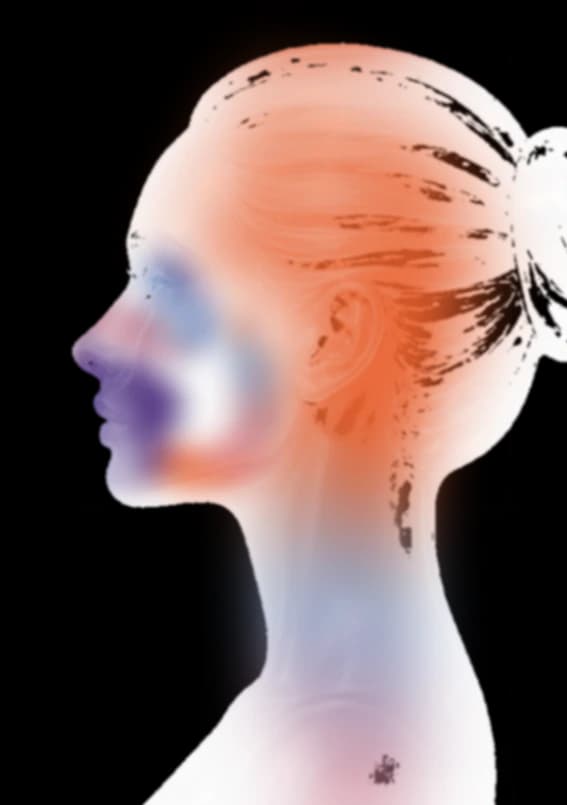
When body fat drops quickly, the face loses subcutaneous volume. Cheeks flatten. The under-eye area looks thinner. Folds that fat had softened reappear. This happens with any rapid weight loss: bariatric surgery, calorie restriction, illness, or medication-assisted loss.
The Framing
The American Academy of Dermatology frames the issue as a body-change effect, not a skin-aging effect of the peptide. The skin itself has not aged; the volume underneath it has decreased.
The Two Levers
Two factors the dermatology literature names consistently: the speed of the weight loss (slower preserves more volume) and the age at which the loss happens (younger skin recovers more elasticity).
What this means
References1 sources
How to read these sources
This article uses primary sources and reviews to separate mechanism, human evidence, and context.
- Public Update
AAD.org (patient/clinician resource)
American Academy of DermatologyHow can GLP-1 drugs affect my skin, hair, and nails? Read source
Used Here ForGrounding the 'Ozempic face' question in a dermatology association's clinical resource on GLP-1 skin and hair effects.
Good ForPractical dermatologic context from a professional body.
Not ForA peer-reviewed causal study on facial volume loss.
AAD.org, updated February 17, 2026