The Study
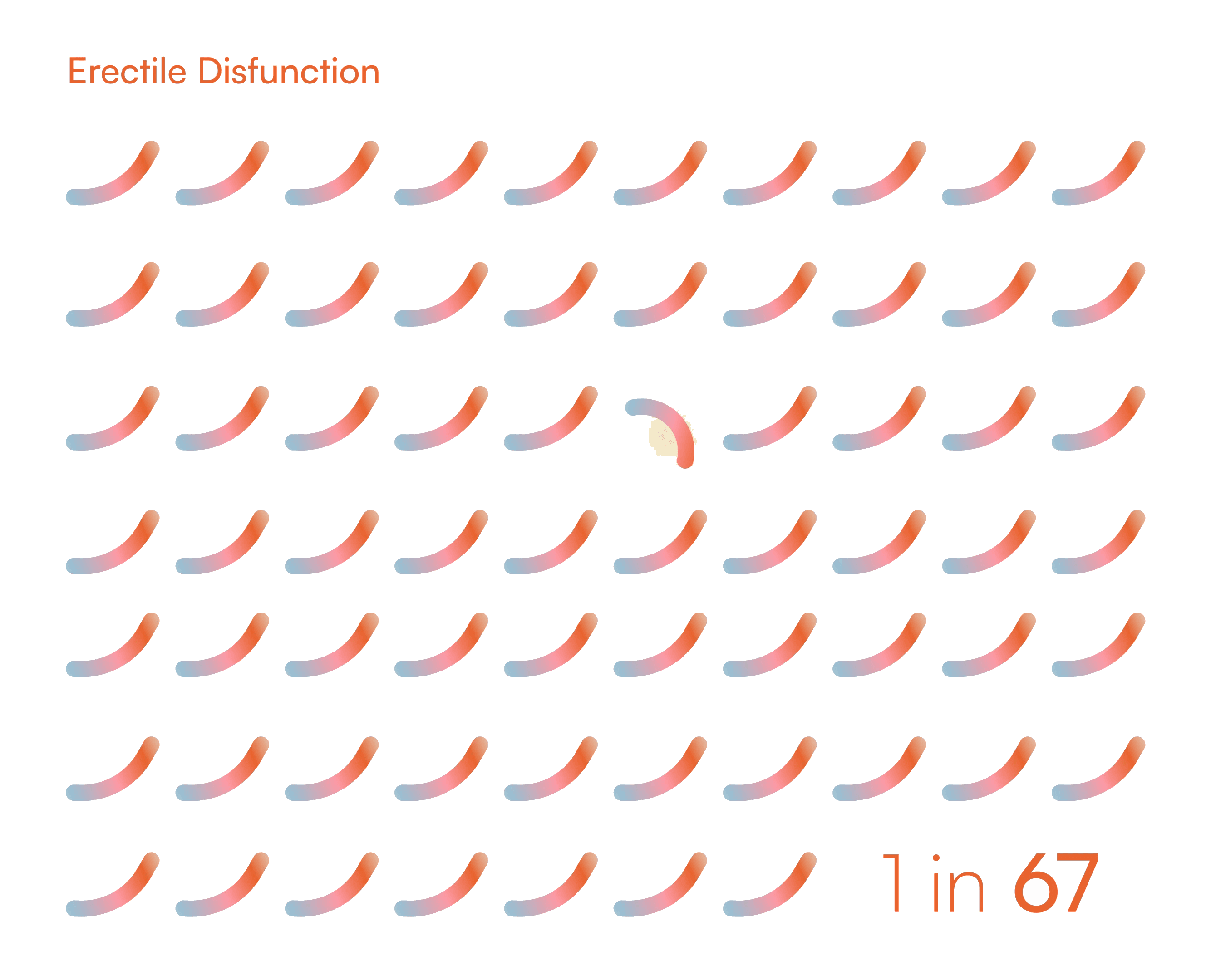
A 2024 database study looked at non-diabetic men ages 18 to 50 with obesity who were prescribed semaglutide for weight loss. It found more new erectile-dysfunction diagnoses or ED-medication prescriptions in the semaglutide group than in a similar comparison group. In the matched groups, the outcome was still uncommon: about 1 in 67 men in the semaglutide group versus about 1 in 300 in the comparison group.
The peptide group's rate was roughly four-and-a-half times higher in that observational database study. Both rates are small, and the study cannot prove causality on its own.
The Limits
The study was observational, which means it can flag a signal but can't prove the peptide caused it. Men who are obese and non-diabetic carry their own cardiovascular and metabolic risk factors that the study can't fully control for.
Erectile function is shaped by sleep, hormones, vascular health, stress, and medications. A weight-loss intervention moves several of those at once, in different directions.
What this means
References1 sources
How to read these sources
This article uses primary sources and reviews to separate mechanism, human evidence, and context.
- Human Trial
International Journal of Impotence Research
Springer NaturePrescribing semaglutide for weight loss in non-diabetic, obese patients is associated with an increased risk of erectile dysfunction: a TriNetX database study Read source
Used Here ForGrounding the erectile-dysfunction question in a study examining GLP-1 use and sexual function.
Good ForHuman evidence on the relationship between GLP-1 medicines and erectile function.
Not ForPredicting an individual's personal outcome or diagnosing a sexual health condition.
International Journal of Impotence Research 37(4):315-319