Science / Explained
The Drug LandscapeArticle 1 of 4

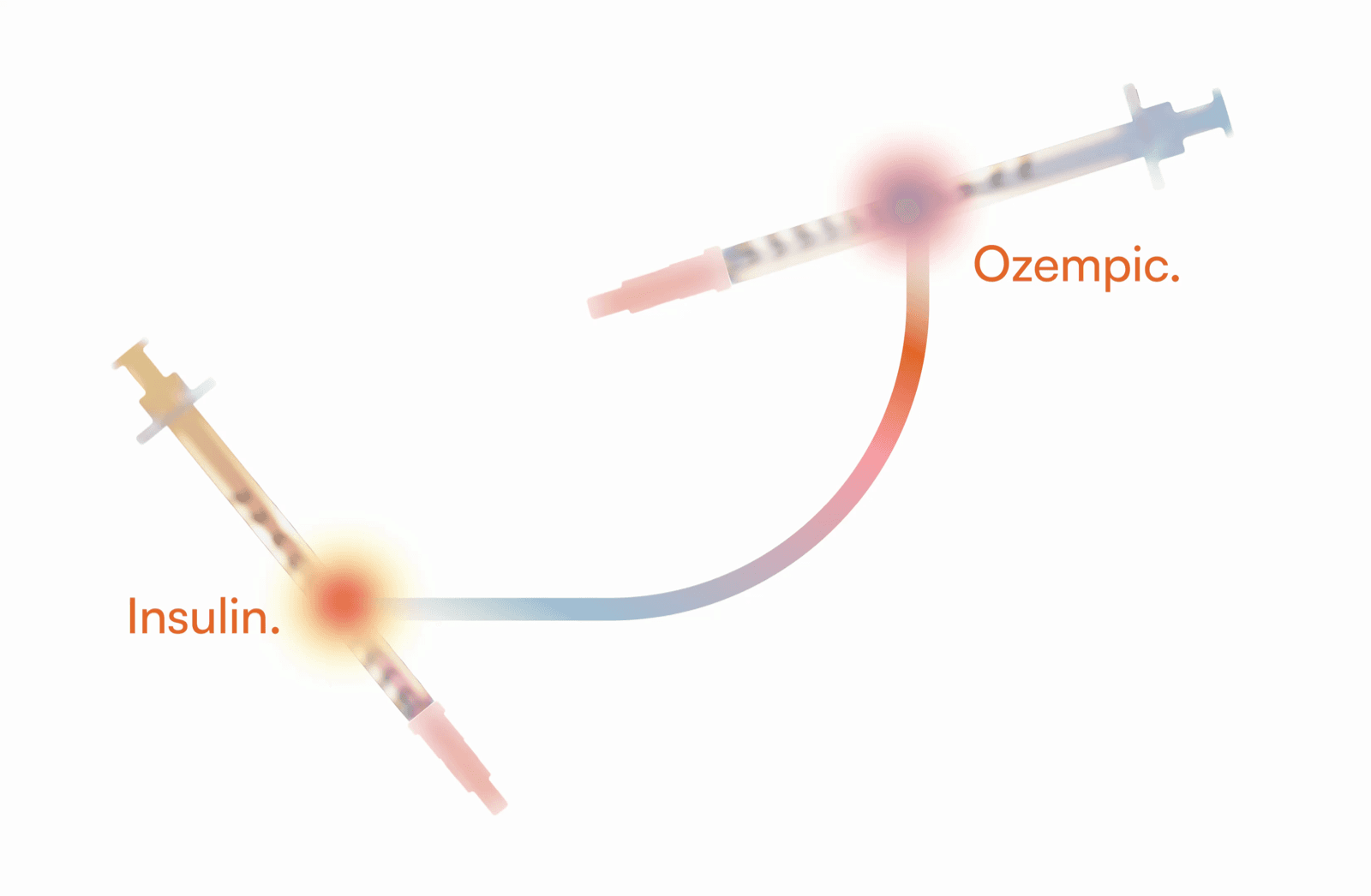
How did we get from insulin to Ozempic?

Modern peptide drugs did not appear all at once. They emerged from a longer pattern: identify a useful signal, understand what it does, and find a way to make it medically usable.

The line from insulin to GLP-1 drugs is easier to follow when the category is kept broad.

Insulin showed that a peptide signal already used by the body could be supplied in a medical context with life-changing effect. Later peptide drugs followed the same broad logic. Researchers identified a signal, clarified what it did, and worked out how to stabilize or deliver it in a usable form.

GLP-1 drugs belong inside that history, not outside it. They are newer, but the underlying design logic is familiar.

This is why the peptide category matters. The individual drugs differ, but the research habit behind them is recognizably connected.

One More Thing

Frederick Banting sold the insulin patent to the University of Toronto for one dollar. He said: "Insulin does not belong to me. It belongs to the world."

By October 1923, manufacturers shipped commercial insulin globally. That one-dollar patent has since generated hundreds of billions in pharmaceutical revenue across the industry. Every GLP-1 drug on the market today traces its scientific lineage to that decision. Banting did not ask what insulin was worth. He asked who it belonged to. His answer shaped a century of medicine.

Next
Are peptide drugs FDA approved?
References03 sources
  1. Wang, L., et al. · 2022
    Therapeutic peptides: current applications and future directions.
    Signal Transduction and Targeted Therapy, 7
  2. Holst, J.J. · 2007
    The physiology of glucagon-like peptide 1.
    Physiological Reviews, 87(4)
  3. Knudsen, L.B., & Lau, J. · 2019
    The Discovery and Development of Liraglutide and Semaglutide.
    Frontiers in Endocrinology, 10
How did we get from insulin to Ozempic? · Catalyst / Science Explained · Catalyst
