01 · Cultural Shifts
When the appetite shrinks, the question stops being how much and becomes what
Fewer meals mean fewer blood sugar spikes and far less room for error, and the nutrients that go missing first are the quiet ones.
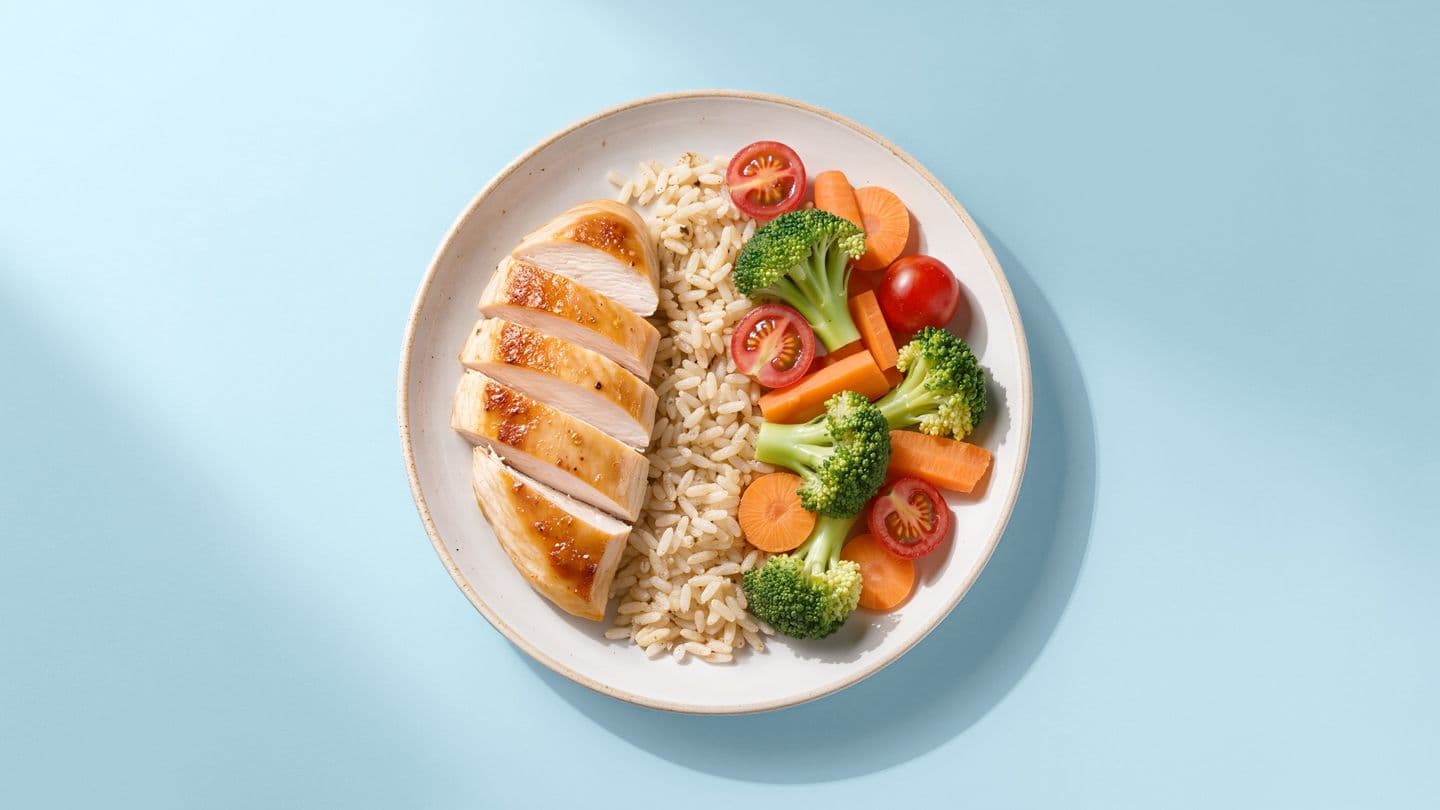
Appetite suppression is the point of a GLP-1, and it rewrites the arithmetic of a plate. Fewer big meals mean fewer blood sugar spikes, and a smaller container for everything a body still needs: protein for lean mass, fiber, the micronutrients that used to arrive by sheer volume. Calcium and vitamin D are the two an endocrinologist at Stony Brook singles out as at particular risk during GLP-1 therapy, given reduced overall food intake.
Eating is social before it is nutritional, which makes this harder than a shopping list. A meal is where a family gathers, where work gets done, where pleasure lives, and a suppressed appetite renegotiates eating habits built over decades without asking. What clinicians suggest in response is unglamorous: 60 to 75 grams of protein a day to preserve lean mass, protein early in the meal, carbohydrates paired with protein or fat.
One detail refuses to sit still. People with type 2 diabetes tend to lose less weight on a GLP-1 than people without the condition, and nobody is quite sure why, though the medicines appear to act the same way in both groups. That does not mean the medication alone explains what anyone's scale reports, and an identical prescription lands differently in different bodies.
Read the full story at Everyday Health ↗
Retatrutide is investigational and is not FDA-approved. Other medicines referenced here are covered as third-party news for educational awareness only. Catalyst does not present this information as medical advice, treatment guidance, or a claim of safety, efficacy, or approval.
Related context
How this story connects across the peptide landscape.



 Continue reading · Cultural ShiftsPeptide News / Cultural ShiftsGLP-1 friendly is now a food label, and nobody defines what it meansABC · Jul 21, 2026 · scroll to read