01 · Cultural Shifts
The obesity drugs work. Whether obesity is a disease is the argument they reopened.
 1 min read
BMI was built in the 1830s to describe an average man, not to diagnose anyone. It still decides who qualifies.

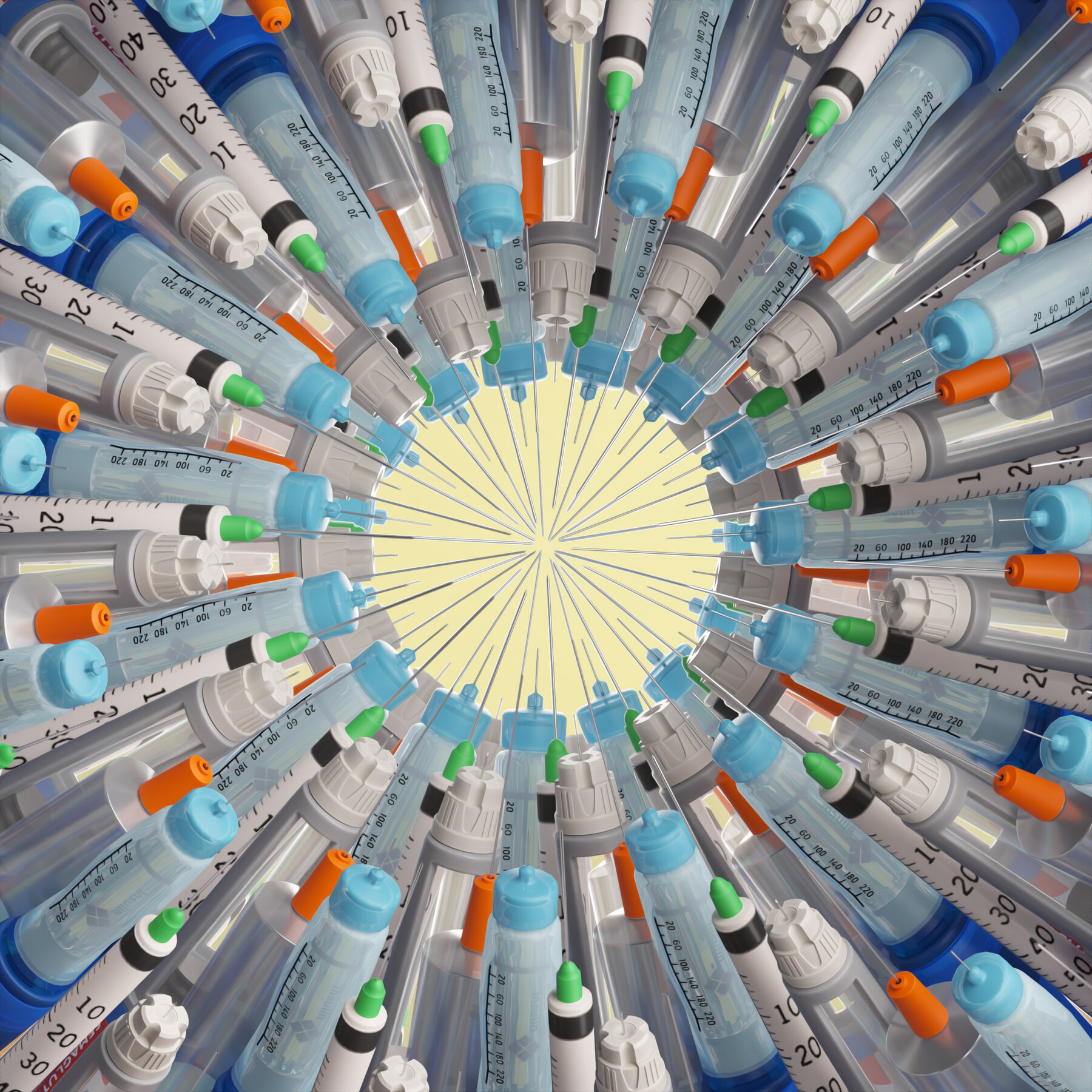
Prescriptions for the new weight-loss injections are up 300% since early 2020, with more than 9 million written in the United States in the final three months of 2022 alone. The drugs slow digestion and mimic the appetite-suppressing hormone GLP-1, and they reduced body weight by an average of 15% to 20% after about a year.
Body size is the seam where American culture and American medicine have never agreed, and the injections landed on it. More than 40% of U.S. adults meet the CDC's definition of obesity and another 30% are counted as overweight, which leaves less than a third at what the agency calls a healthy weight. Researchers in the Health at Every Size tradition read the same numbers as evidence the measure is wrong rather than the population.
BMI is the weak link. A Belgian mathematician built the formula in the 1830s to describe an average man, an American physiologist revived it in the 1970s, and it still decides who qualifies for a prescription. That does not mean the drugs are not working, and findings that up to half of people with obesity are metabolically healthy do not settle the question. The harder question is what treatment is for when the diagnosis is a ratio of weight to height.
DisclaimerEducational news and research awareness content. Not medical advice.Read full disclaimer ▾
This page shares third-party news coverage, official research listings, and public clinical updates for educational awareness only. Catalyst does not present this information as medical advice, treatment guidance, or a claim of safety, efficacy, or approval.
Related context
How this story connects across the peptide landscape.