05 · Access & Industry
For the first time, world health officials set rules for treating child obesity — and drugs come last
The WHO's first child-obesity guidelines put medicines last: none under age 10, and for ages 10 to 19 only after six months of supervised lifestyle support has not worked.
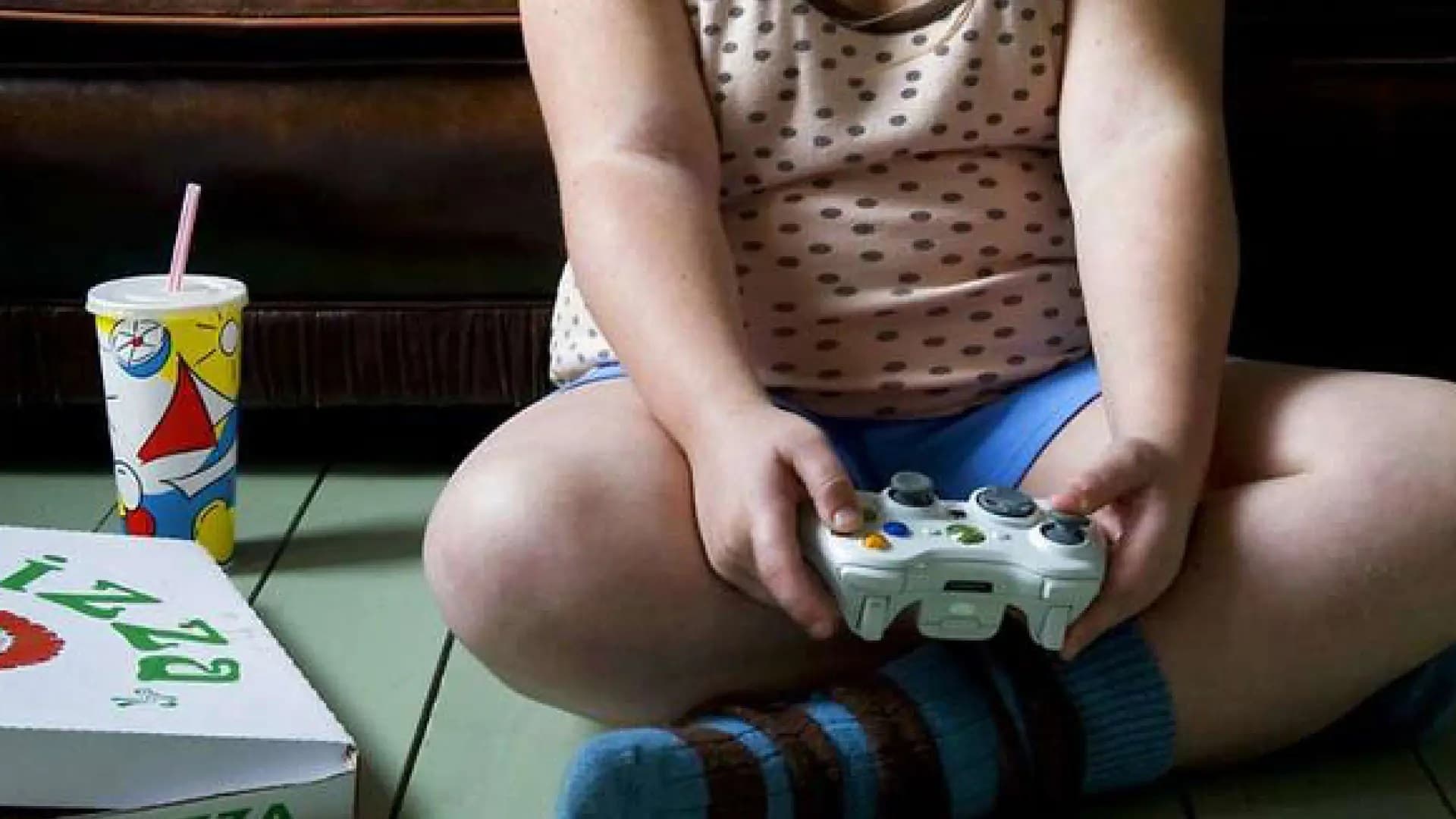
Childhood obesity has quadrupled since 1990, from 2 percent to 8 percent of the world's 5-to-19-year-olds, and the World Health Organization estimates 170 million children and adolescents were living with obesity in 2024 — 70 million of them aged 5 to 9 and 100 million aged 10 to 19. In response, the WHO has issued its first-ever guidelines for treating the condition in these ages, setting out what health systems and clinicians should do when a child or teenager with obesity arrives in their care.
The guidelines draw a hard line around medicines. Care starts with combined support — food, physical activity, and behavior change. For children up to age 9 there are no weight-loss drugs, no bariatric surgery, and no weight-reduction devices at all. For adolescents aged 10 to 19, the supervised program is the access point medicines must pass: authorized medicines may be considered only when a program combining lifestyle changes has not achieved the expected results over at least six months. In the words of the WHO's Luz María De Regil, the basis of obesity care for children and adolescents is not medicines or surgery, but access to comprehensive support that makes healthy eating, activity, and sustainable behavior change possible.
The guidelines also reach past the clinic. They recommend attention to mental health — anxiety, depression, low self-esteem — in a group the WHO notes faces a particularly high risk of stigma, discrimination, and bullying, and they warn that treatment alone will not reverse the global rise: public policies must make healthy diets and physical activity more accessible and affordable, because obesity that begins early accumulates costs across a lifetime, already measured in trillions of dollars. For families, the message is everyday and practical: the help comes first, and medicines, if they come at all, come last. High-income countries have leveled off rather than declined, while obesity keeps growing across much of the middle- and low-income world.
Read the full story at 20minutos ↗
DisclaimerEducational news and research awareness content. Not medical advice.Read full disclaimer ▾
This page shares third-party news coverage, official research listings, and public clinical updates for educational awareness only. Catalyst does not present this information as medical advice, treatment guidance, or a claim of safety, efficacy, or approval.
Related context
How this story connects across the peptide landscape.
GLP-1 use for weight loss nearly quadrupled in two years

A 2026 national survey found that 11% of adults reported currently using a GLP-1 medicine for weight loss

GLP-1 medicines joined America's long weight-loss history instead of replacing it